
Editorial staff
The editorial team of Darton is composed of experienced professionals in the electronics sector, committed to offering reliable, up-to-date, and useful content to navigate the market.

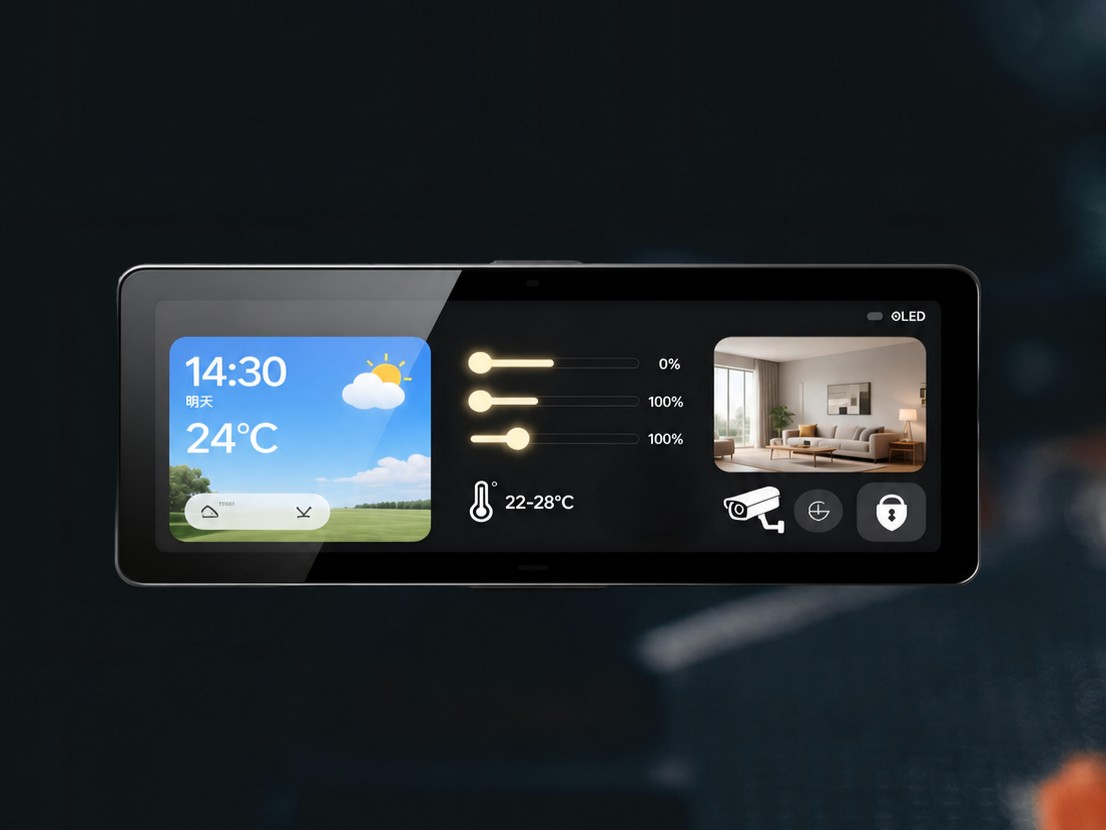
La smart home sta evolvendo rapidamente. Automazione e IoT fanno ormai parte della quotidianità.
Oggi però sta cambiando anche il modo di interagire con la tecnologia: le interfacce devono essere intuitive, eleganti e quasi invisibili. In questo scenario, display AMOLED e cover glass di Yeebo diventano componenti strategici per migliorare l’esperienza utente, il design e l’integrazione tecnologica.
I display AMOLED rappresentano una nuova generazione di schermi. Questa tecnologia offre immagini più nitide, contrastate e coinvolgenti.
Ogni pixel emette luce in autonomia, senza necessità di retroilluminazione, garantendo:
Anche il design migliora: gli schermi sono sottili, leggeri e facilmente integrabili negli ambienti domestici moderni.
La casa intelligente sta diventando sempre più interattiva, visiva e integrata nell’ambiente domestico. I display AMOLED migliorano diversi dispositivi smart.
I pannelli integrati nelle pareti diventano più eleganti e leggibili. Le informazioni restano visibili anche in condizioni di scarsa illuminazione, rendendo l’interazione più immediata e naturale.
Forni, frigoriferi e lavatrici adottano interfacce sempre più avanzate. Gli schermi AMOLED rendono i controlli fluidi e reattivi, migliorando la semplicità d’uso e la qualità percepita del prodotto.
Telecamere e sistemi HMI (Human Machine Interface) richiedono immagini chiare e aggiornamenti rapidi. I display AMOLED migliorano la visualizzazione in tempo reale, aumentando controllo operativo, affidabilità e leggibilità delle informazioni.
Nel settore smart emerge un trend sempre più evidente: la tecnologia deve sparire alla vista fino al momento dell’utilizzo.
Qui entra in gioco anche il cover glass, che non è solo una protezione, ma un elemento fondamentale dell’interfaccia utente e del design del prodotto.
Molti dispositivi adottano il cosiddetto effetto chiamato anche dead-front: il display resta invisibile quando è spento.
La superficie appare uniforme, minimale ed elegante, con un forte impatto estetico premium.
Ma l’estetica da sola non basta. La leggibilità deve restare elevata anche quando il display è acceso.
Il cover glass influenza direttamente la qualità visiva del dispositivo. Spessore e trattamenti ottici incidono su contrasto, luminosità e resa dell’immagine.
Anche la trasmittanza è un parametro fondamentale, perché indica quanta luce attraversa il vetro. Valori non ottimizzati possono ridurre la visibilità e la leggibilità del display.
Il cover glass deve bilanciare diversi aspetti:
La scelta del materiale dipende dall’applicazione finale.
È una soluzione economica largamente utilizzata nella consumer electronics.
Offre maggiore resistenza meccanica e affidabilità. È ideale per ambienti industriali o applicazioni più critiche.
Molti prodotti funzionano bene in laboratorio, ma le condizioni reali possono essere molto diverse.
Fattori spesso sottovalutati sono:
Il rischio è creare interfacce esteticamente evolute, ma poco leggibili nell’utilizzo quotidiano.
Questo influisce direttamente sull’esperienza utente, sulla sicurezza e sulla percezione del brand.
L’evoluzione delle interfacce è già iniziata: le superfici stanno diventando display solo quando necessario.
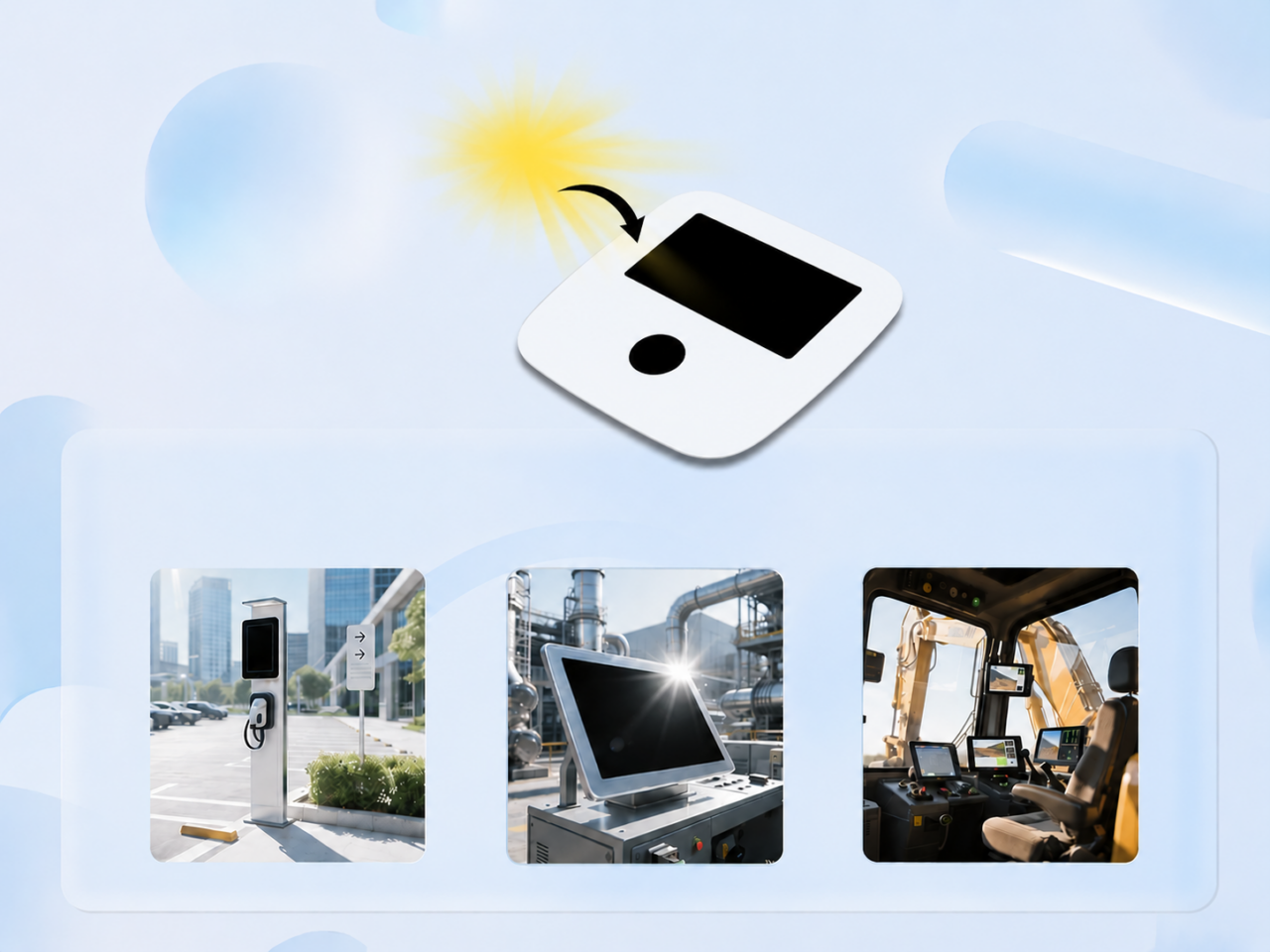
Emergono nuove soluzioni e il confine tra tecnologia, arredo e design si sta riducendo sempre di più:
Questa evoluzione crea nuove opportunità di mercato. Le aziende possono differenziarsi attraverso un design avanzato, una migliore user experience, l’integrazione hardware e software e una maggiore qualità percepita.
Le interfacce stanno diventando un elemento distintivo del prodotto, non più un semplice componente funzionale. Chi saprà unire estetica, tecnologia e funzionalità avrà un vantaggio competitivo nei prossimi anni.
I display AMOLED e le soluzioni cover glass di Yeebo distribuiti da Darton permettono di sviluppare interfacce moderne, eleganti e perfettamente integrate nei dispositivi smart di nuova generazione.
Dalla smart home alle applicazioni HMI industriali, queste tecnologie aiutano a migliorare la qualità visiva, l’esperienza utente, il design del prodotto e l’affidabilità operativa, rispondendo alle esigenze di un mercato sempre più orientato verso interfacce intuitive e superfici invisibili.
Display AMOLED e cover glass lavorano insieme: uno migliora l’esperienza visiva, l’altro rende la tecnologia sempre più discreta e perfettamente integrata nel prodotto.
Contatta Darton per individuare la soluzione AMOLED e cover glass più adatta ai tuoi dispositivi smart e alle applicazioni HMI industriali.
The editorial team of Darton is composed of experienced professionals in the electronics sector, committed to offering reliable, up-to-date, and useful content to navigate the market.
DARTON SRL
Via G. Carducci 125/C
20099 Sesto San Giovanni (MI)
T 02 92882970
VAT ID 05328060966
@ info@darton.it
Cremona (Warehouse)
Via Leonardo da Vinci 10
26020 Ticengo (CR)
T 0374 84179
